
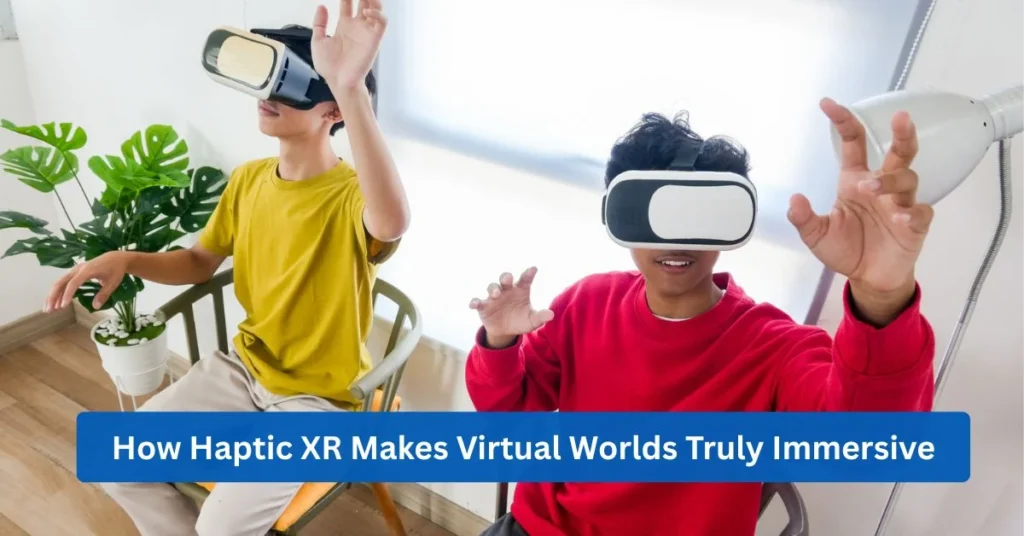
How Haptic XR Makes Virtual Worlds Truly Immersive
The development of immersive technologies has transformed how users can experience the digital world, which has expanded to be more than a simulation of the visual experience and to one that involves multi-sensory experiences. Even though the premise of Extended Reality (XR) lies in Virtual Reality (VR), Augmented Reality (AR), and Mixed Reality (MR), the incorporation of haptic feedback allows users to haptic virtual objects in reality, thereby making virtual worlds more real, interactive, and immersive. A combination of those three technologies forms Extended Reality (XR) that provides a single system connecting the real-life settings and virtual space of the digital world. The field has progressed towards developing advanced technologies for achieving greater interactive experiences and realistic environments through continuous research and development activities designed to enhance immersive virtual worlds.
The process of achieving progress depends mainly on achieving total immersion. XR immersion defines the extent to which a virtual world is realistic. The system will need a higher level of visual fidelity and spatial audio since these aspects can only partially enhance it. Human beings sense in different ways since touch is needed to develop full digital environments.
This blog is aimed at discussing how Haptic XR can facilitate XR immersion by integrating touch as one of the most important components of digital experiences. It will assist the readers in learning about the importance of sensory feedback in XR, how it is applicable in the real world, and how it can enhance engagement, learning, and interaction in different industries. As a student, developer, or technology enthusiast, this guide will be insightful on how Haptic XR can change the experience and interaction with virtual environments.
Basics of Haptic XR
What Is Extended Reality (XR)?
Extended Reality (XR) is the umbrella term for Virtual Reality (VR), Augmented Reality (AR), and Mixed Reality (MR). The VR creates an entirely digital environment, while the AR overlays information in a digitized way onto the physical world, whereas MR blends both forms so that they may be used together and interact in real-time with each other. Thus, all these types work hand-in-hand to form a combined environment to allow for an overall extended reality experience seamlessly.
XR technology has also become an important enabler for digital transformation in many different industries. For example, XR is frequently used in several different sectors such as education, healthcare, manufacturing, and entertainment to provide real-time collaborative working through interactive simulation, which helps to increase productivity, improve engagement, and create new opportunities through innovative digital tools. As a result, XR will continue to drive the way digital interaction is experienced through immersion with advanced digital XR technologies developed over time as businesses and organizations embrace these new immersive XR technologies.
What Is Haptic Technology?
Haptic technologies are systems that simulate the ability to feel physical touch via motion, force, and/or vibration, allowing us to touch a digital environment, thereby providing a unique way to engage with an experience, as they close the gap between the real and virtual worlds, and provide a tactile component required for creating real-world interaction on an XR platform as well as increasing the level of XR immersion.
Types of Haptic Feedback
- Vibrotactile feedback: Uses vibrations to make us feel things like alerts, texture, or knocks. The use of vibrating devices and controllers is a common form of using haptic feedback in virtual reality.
- Force feedback: Force feedback allows for the simulation of weight; so when the user is interacting with an object in a virtual environment, they can feel the weight of that object, and/or if something has become stuck and is exerting some sort of force against the user. Force feedback is one of the most important aspects of creating authentic VR haptics.
- Thermal and motion feedback: There are two other types of feedback that can also simulate movement or temperature, thereby giving an XR experience added authenticity and depth: motion and thermal. Both motion and thermal feedback add a layer of sensory feedback in XR that will make virtual experiences more realistic and immersive.
What Is Haptic XR?
Haptic XR combines touch-based feedback with extended reality environments. The system uses visual and audio components together with tactile elements to create a completely immersive experience. The sensory feedback in the XR system enables users to experience tactile sensations of textures and pressure and moving objects, which creates more authentic and intuitive user interactions.
The system provides improved authenticity, which enables users to interact with the virtual environment in a more realistic manner. Users can experience digital objects through advanced VR haptics and haptic technology in XR as if these objects were physical items. The XR immersion experience becomes more immersive virtual worlds because users can now perceive their surroundings through sight, sound, and tactile sensations in the virtual environment.
How Haptic XR Works in Virtual Environments
Haptic XR technology establishes its virtual environment system operation through its haptic feedback mechanism.
Core Components of Haptic XR Systems
Hardware Devices
Haptic XR requires hardware devices that users need to experience its virtual environments through haptic feedback:
- Haptic gloves: These gloves let users touch and manipulate digital objects. The system uses haptic technology to create interactive experiences that users can interact with through various touchable materials.
- Wearable suits: Full-body suits provide feedback across different body parts, creating a more complete immersive XR technology experience. These devices track movement and deliver haptic feedback in virtual reality. The system’s instant response system makes the user experience better and makes XR more immersive.
- Controllers and sensors: In virtual reality, these devices monitor your motions and provide haptic feedback. The rapid reaction characteristic of the system improves user experience and increases the XR immersion experience.
Software and Algorithms
Every gadget has software that makes haptic technology XR possible.
- Feedback simulation engines: These systems figure out how things should feel and then turn that information into bodily feelings.
- Real-time response systems: The gadget provides immediate feedback that keeps movements and sensations exactly in line.
How Haptic Feedback Is Delivered
- Touch Simulation in VR: Haptic XR facilitates the perception of touch as reality with the help of pressure, vibration, and texture. When touching objects in XR, users get sensory feedback, which makes the experience feel real.
- Motion and Force Simulation: The technology involves the application of force feedback to make it appear that one is moving and against something, thus to experience weight, tension, and impact on virtual objects. As an example, lifting an object can be sensed when it is heavy, or pulling something can be felt when it strains, and actions become more realistic. Moreover, motion feedback generates feelings of vibration and direction, allowing users to feel moving and interacting with objects, making interactions more realistic and immersive.

Key Benefits of Haptic XR for Immersion
Haptic XR allows users to feel virtual environments through their sense of touch, which lets them better understand the digital world. This technology makes all interactions through different applications more authentic, interesting, and efficient.
Enhancing Realism in Virtual Worlds
- Haptic XR adds touch to virtual environments, making them feel more lifelike.
- The objects display movement patterns that match their real-world physical behavior.
- The enhanced sensory input of the XR system delivers a more realistic experience, which increases user immersion in the XR environment.
Improving User Engagement
- Emotional Connection
- Touch creates stronger emotional responses.
- The virtual object experience enables users to create more valuable and powerful memories.
- Interactive Experience
- With VR haptics, users actively engage instead of just watching.
- The system enhances user involvement while boosting their satisfaction, which leads to better immersive virtual world experiences.
Better Learning and Training Outcomes
- Haptic XR provides training solutions for healthcare, military, and manufacturing sectors through its implementation in Haptic XR training systems.
- The users can experience actual work environments through simulation in a secure space.
- Haptic technology application in XR environments enhances both comprehension and learning abilities of users.
- The studies demonstrate that sensory feedback in XR environments leads to better retention, which results in more effective learning and practical applications.
Applications of Haptic XR Across Industries
Gaming and Entertainment
- Immersive Gameplay: The first part of the study shows how Haptic XR technology makes video games feel like real fights and interactions with the world around you. Players can feel hits, textures, and movements, which makes the game more fun for them.
- VR Storytelling: Haptic feedback in virtual reality enhances interactive storytelling because it creates more enjoyable experiences. People can connect with stories in real life, which makes the emotions stronger.
Healthcare and Medical Training
Haptic XR technology lets trainees practice surgery with surgical simulations that give them real-time feedback on how well they are doing with tissue resistance. The technology provides rehabilitation that helps patients regain their motor skills by giving them touch feedback.
Education and Skill Development
Schools and colleges use immersive XR technology to create virtual labs and other ways for students to learn by doing. Students may assimilate and recall more by dealing with complex subjects.
Industrial and Enterprise Use
- Remote Operations: Operators use haptic XR technology to control machines while experiencing their operational functions through remote distance operation. The method is very helpful for working in places that aren’t safe.
- Safety Training: Haptic XR technology enables companies to develop training simulators that allow employees to practice their skills without facing real-world dangers. Workers can go through dangerous situations without any real-world effects.
Challenges and Limitations of Haptic XR
Technical Limitations: Haptic XR technology faces two major problems because of its existing technical restrictions. The Pure Haptic XR system needs to fix multiple technical issues because it currently shows excellent features. The system needs specialized components that come at high costs to build and maintain. Latency issues cause interruptions in virtual reality experiences, which make them less authentic and reduce their touch control effectiveness.
Accessibility and Adoption: The high cost of devices limits widespread adoption. The advanced systems that users need to access remain unavailable for many people, which hinders the development of immersive XR technology. The limited availability of products to consumers exists as a major obstacle.
Content Development Challenges: Developers need special equipment and special knowledge to produce content for Haptic XR. The developers have to create both visual elements and tactile elements, which creates a development process that requires more time to complete.

The Future of Haptic XR Technology
- Advancements in Haptic Devices: The Future of Haptic XR Technology Advancements in Haptic Devices Future innovations will focus on lightweight and comfortable wearables. Advanced suits and gloves will enhance haptic technology in XR through their ability to create more realistic experiences, which users can easily access.
- AI and Haptic Integration: Combining AI with haptic systems makes it possible to make feedback systems that change based on the situation. The systems will generate personalized sensory feedback in XR users, which will lead to more precise and immediate responses.
- Expanding Use Cases: Haptic XR will serve as an essential technology for metaverse environments and remote work. Users will interact in shared virtual spaces, which will boost communication and productivity for immersive virtual worlds.
Best Practices for Implementing Haptic XR
Haptic XR systems require careful planning because their successful installation depends on creating an uninterrupted and immersive experience for users. The three elements of usability, realistic display technology, and appropriate equipment help organizations achieve their maximum benefits from immersive XR systems.
Designing for User Experience
- Comfort and Usability
- Devices should be lightweight, ergonomic, and easy to use.
- Users need to experience proper stimulation limits because excessive stimulation creates problems for their ability to function.
- To provide comfortable experiences in extended reality environments, users need sensory feedback in XR, which helps them stay present in virtual reality environments.
Realistic Feedback Balance
- The visual elements and tactile elements need to create a unified experience between their different components.
- The users in virtual reality environments perceive haptic feedback through two methods, which create a more authentic experience for them.
- The proper timing of different elements in immersive virtual worlds creates authentic immersion for users.
Choosing the Right Haptic Devices
- Select devices based on specific goals and applications.
- You need to evaluate your budget, your growth needs, and your ability to meet performance targets.
- The intended extended reality experience determines which tools should be used, including gloves, suits, and controllers.
- The correct hardware combination enables organizations to achieve their Haptic XR implementation goals through effective, high-impact experiences.
Conclusion
Haptic XR enables users to experience digital environments through touch-based interactions. The touch-based system development of the system makes virtual environments more realistic, enhancing the user engagement with the extended reality experiences. Immersive XR technology creates a full extended reality experience due to the combination of visual and audiovisual content of the technology with its touchable sensory components.
The industrial sectors will gain new advancements through Haptic XR technology; these advancements will follow the upcoming information technology developments. The system will establish a new method for users to interact with virtual environments through its haptic feedback feature and its advanced virtual reality haptic system.
FAQs About Haptic XR
What is Haptic XR, and how does it work?
Haptic XR combines XR technologies with tactile feedback systems, allowing users to feel virtual interactions through haptic technology in XR.
How does Haptic XR improve immersion in virtual worlds?
The system makes its virtual worlds more realistic with its touch-based system that allows users to interact with a virtual world that is very realistic.
What are the benefits of haptic feedback in XR experiences?
The advantages of the system consist of three factors: enhanced realism, enhanced engagement, and enhanced learning results with the help of sensory feedback in XR.
What devices are used in Haptic XR technology?
Haptic XR technology requires users to use three types of devices, which include haptic gloves, wearable suits, and haptic feedback controllers for virtual reality.
What is the future of Haptic XR in virtual reality and the metaverse?
The upcoming period will show AI-based systems together with sophisticated wearables, which will enhance metaverse applications through the development of immersive XR technology.